

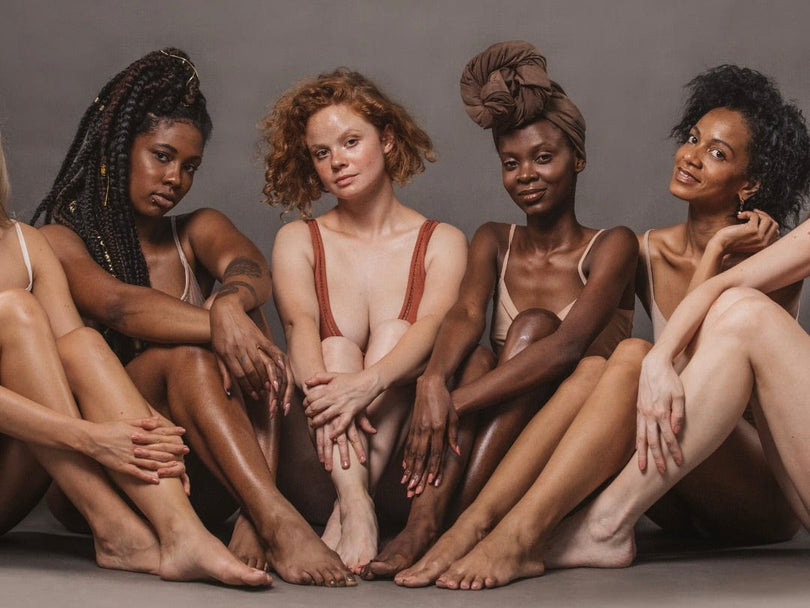



From bloating and cellulite to heavier legs, slower recovery, and changes in skin firmness, understanding what's happening inside your body is the first step toward feeling like yourself again.
If You Feel Like Your Body Has Changed Overnight, You're Not Alone
One day your favorite jeans fit differently. Your skin feels drier. Your legs seem heavier by the end of the day. Cellulite appears more noticeable, workouts leave you sore for longer, and despite eating the same way you always have, your body simply doesn't respond as it used to.
For millions of women, this experience begins during perimenopause—the years leading up to menopause—and continues throughout menopause itself.
These changes can feel frustrating, confusing, and sometimes discouraging. Many women wonder if they're doing something wrong.
The truth is that they're not.
Most of these changes are the result of natural hormonal shifts that affect much more than reproductive health. Estrogen influences nearly every system in the body, including the skin, muscles, blood vessels, connective tissue, collagen production, fat distribution, inflammation, and even the lymphatic system.
Understanding these changes can help you stop fighting your body—and start supporting it.
The good news? While menopause cannot be stopped, many of its physical changes can be managed through daily habits, movement, nutrition, and evidence-based self-care.

What Is the Difference Between Perimenopause and Menopause?
Many people use these terms interchangeably, but they describe different stages.
Perimenopause is the transition leading up to menopause. It often begins in your 40s—although some women notice changes in their late 30s—and can last anywhere from a few years to nearly a decade.
During this time, hormone levels fluctuate significantly, especially estrogen and progesterone. These fluctuations are responsible for many of the symptoms women experience.
Menopause is officially diagnosed after you've gone 12 consecutive months without a menstrual period.
After that, you enter postmenopause, when hormone levels remain consistently lower.
Although these stages are completely natural, they affect every woman differently. Some notice only mild changes, while others experience symptoms that have a significant impact on daily life.

Why Does Your Body Change During Menopause?
Many women assume menopause is only about hot flashes.
In reality, estrogen acts almost like a "manager" throughout the body.
When estrogen levels begin to decline, many systems gradually adapt.
This can affect:
- skin hydration
- collagen production
- muscle recovery
- circulation
- lymphatic drainage
- fat distribution
- connective tissue
- inflammation
- sleep quality
- energy levels
These changes don't happen overnight.
They develop gradually, which is why many women suddenly realize they "don't recognize their body anymore."

The Hidden Role of Estrogen
Estrogen supports many biological processes that most women never think about until hormone levels begin to decline.
It helps maintain:
- healthy blood vessels
- skin elasticity
- collagen production
- connective tissue integrity
- muscle function
- bone density
- hydration
- temperature regulation
As estrogen decreases, these systems naturally become less efficient. This doesn't mean your body is failing. It simply means it has different needs than it did ten years ago.

Why Does Cellulite Often Become More Noticeable?
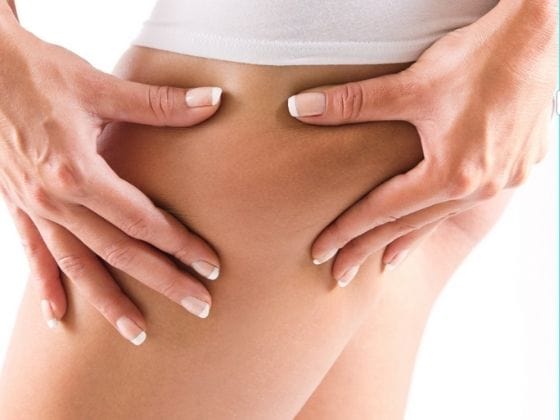
One of the biggest frustrations women report during perimenopause is that cellulite suddenly seems more visible—even if their weight hasn't changed.
This isn't your imagination. Several physiological factors occur simultaneously.
Collagen production slows down
Collagen provides structure and support to the skin.
Beginning in our 30s—and accelerating during menopause—collagen production naturally declines.
With less collagen, the skin becomes thinner and less firm, making underlying irregularities easier to see.
Fat distribution changes
Hormonal changes influence where fat is stored.
Instead of accumulating primarily around the hips and thighs, fat increasingly tends to be stored around the abdomen.
At the same time, existing cellulite may appear more pronounced because connective tissue becomes less supportive.
Circulation becomes less efficient
Healthy circulation helps deliver oxygen and nutrients throughout the body.
As circulation changes with age and hormonal shifts, tissues may receive less support, which can contribute to heavier legs, fluid retention, and changes in skin appearance.
Connective tissue changes
Cellulite isn't simply "fat." It involves the interaction between fat cells, connective tissue, microcirculation, and the skin itself.
As connective tissue becomes less flexible over time, the characteristic dimpling associated with cellulite may become more noticeable.
This is one reason why many women who have maintained the same weight for years still notice changes in their skin after 45.

Why Do So Many Women Feel Bloated During Menopause?
Bloating is another common complaint. Many women describe feeling swollen despite eating well and exercising regularly. Again, hormones play a significant role.
Lower estrogen levels may influence:
- fluid balance
- circulation
- inflammation
- digestion
- lymphatic function
The result can be:
- puffiness
- water retention
- swollen ankles
- heavy legs
- abdominal bloating
Fortunately, lifestyle habits can make a meaningful difference. Regular movement, adequate hydration, sufficient protein intake, stress management, and massage routines that support circulation may all help women feel lighter and more comfortable.
Your Skin Changes Too
Your face isn't the only area affected by menopause. The skin on your body also changes.
You may notice:
- increased dryness
- reduced elasticity
- slower healing
- less firmness
- rougher texture
Research suggests that women can lose up to 30% of their skin collagen during the first five years after menopause, which helps explain why skin quality often changes more rapidly during this stage of life.
This is why supporting collagen production, protecting the skin barrier, and maintaining a consistent body-care routine become increasingly important.

What This Means for Your Self-Care Routine
Perimenopause isn't about "fixing" your body. It's about adapting your routine to what your body needs now.
Instead of chasing quick fixes or miracle products, the most effective approach is usually a combination of consistent habits that work together to support your skin, circulation, muscles, and overall well-being.
In the next section, we'll explore why circulation, lymphatic health, inflammation, and recovery become even more important during menopause—and the simple daily strategies that can help you feel stronger, lighter, and more comfortable.
Perfecto. En esta segunda parte empezamos a diferenciarnos de cualquier artículo de belleza. Aquí ya empezamos a construir autoridad (EEAT) y a introducir de forma muy natural el concepto de masaje profundo, drenaje y Glo910 PRO, sin que parezca un artículo comercial.

Why Circulation, Inflammation, and Recovery Matter More During Menopause
One of the biggest misconceptions about menopause is that it's only about hormones. Hormonal changes are certainly the trigger, but what many women actually notice day after day are the effects those hormonal shifts have on the rest of the body.
You may wake up feeling stiff. Your legs may feel heavier by the afternoon. Recovery after exercise might take longer than it used to. Your skin may seem less firm, and areas like your thighs, hips, and abdomen may look different despite maintaining the same weight.
These changes are all connected. Understanding them can help you choose habits that support your body instead of working against it.
Why Do Your Legs Feel Heavy During Menopause?
If you've ever thought, "My legs feel tired even though I haven't done much today." you're far from alone.
Many women experience heavier legs during perimenopause and menopause. Although this isn't discussed as often as hot flashes or sleep disturbances, it can significantly affect comfort and quality of life.
Several factors contribute:
- changes in circulation
- fluid retention
- reduced daily movement
- hormonal fluctuations
- age-related changes in connective tissue
When circulation slows and fluids are not cleared as efficiently, many women notice swelling around the ankles, a feeling of tightness in the calves, or simply legs that feel more fatigued at the end of the day.
Understanding the Lymphatic System
Unlike the cardiovascular system, the lymphatic system doesn't have a pump like the heart. Instead, it relies on movement, breathing, muscle contractions, and external stimulation to help move lymphatic fluid throughout the body.
When we spend long hours sitting, experience hormonal changes, or become less physically active, lymphatic flow may become less efficient. This doesn't mean the system stops working—it simply means it benefits from a little extra support.
Healthy lymphatic function helps the body:
- maintain fluid balance
- support circulation
- remove metabolic waste
- contribute to healthy immune function
For many women, supporting lymphatic drainage becomes an important part of feeling lighter and more comfortable during menopause.

Why Recovery Takes Longer After 45
Have you noticed that the workout that once left you energized now leaves you sore for two or three days? You're not imagining it. Several physiological changes influence recovery during menopause.
These include:
- lower collagen production
- changes in muscle protein synthesis
- hormonal fluctuations
- increased inflammatory activity
- reduced tissue elasticity
Recovery is still possible—it simply requires a little more attention.
This is why many experts recommend combining strength training with recovery-focused practices such as:
- quality sleep
- protein-rich nutrition
- mobility work
- hydration
- massage
- stress management
Recovery is no longer a luxury. It's part of staying active.
The Link Between Inflammation and Menopause
Inflammation is a word we hear often, but it's important to understand what it really means. Inflammation is a natural process that helps the body heal and protect itself.
However, research suggests that aging and menopause are associated with a gradual increase in low-grade chronic inflammation, sometimes referred to as "inflammaging."
This doesn't mean something is wrong. It simply means the body may take longer to recover from everyday physical stress.
Some women notice:
- more muscle stiffness
- increased fatigue
- joint discomfort
- slower recovery
- puffiness
- changes in skin appearance
Lifestyle habits play a significant role in helping regulate these processes.
Why Massage Can Become More Important During Menopause
Massage is often thought of as something relaxing or indulgent.
In reality, it can become an important component of a menopause wellness routine.
Professional massage has been studied for its ability to help:
- temporarily increase local circulation
- reduce feelings of muscle tension
- promote relaxation
- support recovery after physical activity
- improve overall well-being
Many women also report that massage helps them feel lighter, especially in the legs, after long periods of sitting or standing. Perhaps even more importantly, massage creates something that many women lose during midlife:
time to reconnect with their body.
Instead of viewing body care as another task on an endless to-do list, it becomes an opportunity to slow down, breathe, and focus on yourself.
Why Consistency Matters More Than Intensity
One of the biggest mistakes many women make is searching for a miracle solution.
An intense treatment.
A detox weekend.
A miracle cream.
But the body doesn't respond to extremes. It responds to consistency. Small daily habits practiced over months almost always produce better results than aggressive routines that are impossible to maintain.Think of body care the same way you think about brushing your teeth. It's not something you do once. It's something you do consistently.
Where Technology Can Make a Difference
Healthy habits will always be the foundation. No device can replace:
- nutritious food
- regular movement
- strength training
- quality sleep
- stress management
However, technology can make it easier to stay consistent and support your body's natural processes. This is where many women begin incorporating tools that complement their daily wellness routine.
How Glo910 PRO Fits Into a Menopause Wellness Routine
During perimenopause and menopause, many women are looking for practical ways to care for their bodies at home without spending hours each week on complicated treatments.

Glo910 PRO was developed with this philosophy in mind. Rather than focusing on a single concern, it supports several aspects of body wellness that become increasingly important during midlife.
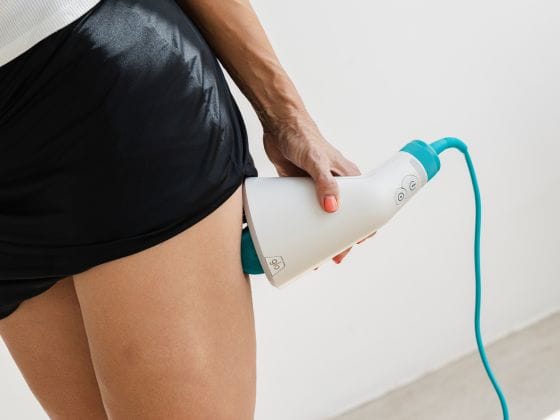
Its deep mechanical massage technology is designed to work below the skin's surface, helping stimulate circulation and support lymphatic drainage while providing an invigorating tissue massage.
Unlike many home massage devices that offer only surface vibration, Glo910 PRO combines a powerful motor with interchangeable treatment heads, allowing users to tailor their routine to different body areas and goals.
In addition, it incorporates Red LED (630 nm) and Near-Infrared light (830 nm)—wavelengths that have been widely studied in the field of photobiomodulation for their role in supporting skin health, collagen production, and cellular function.
For many women, a 15- to 20-minute massage becomes more than just a beauty routine. It becomes a daily ritual. A moment to unwind after work. To reconnect with their body. To care for themselves with intention.
That consistency—not perfection—is what often makes the greatest difference over time.
Wellness Is About Feeling Better, Not Looking Perfect
Menopause is not a problem to fix. It's a new stage of life that asks us to care for ourselves differently.
Instead of chasing unrealistic beauty standards, more women today are embracing a broader definition of wellness—one that includes energy, mobility, strength, confidence, and feeling comfortable in their own skin.
Sometimes, the most meaningful improvements aren't measured by a number on the scale. They're measured by how you feel when you wake up, move through your day, and look after yourself with kindness.
Perfecto. En esta tercera parte vamos a responder exactamente a las preguntas que hacen las mujeres en Google y ChatGPT ("What should I do during menopause?", "How can I reduce bloating naturally?", "What's the best routine for menopause?"). Es la parte con mayor potencial SEO y GEO. El producto aparece como una herramienta más dentro de una estrategia global.

10 Daily Habits That Can Help You Feel Better During Perimenopause and Menopause
There is no single solution that will stop the natural changes that happen during menopause.
But there are daily habits that can help you support your body, improve your overall well-being, and feel stronger, lighter, and more comfortable.
Rather than trying to "fight" menopause, think about creating a routine that works with your body. Small actions, practiced consistently, often have the greatest long-term impact.
1. Prioritize Strength Training
One of the most important things you can do during menopause is build and maintain muscle.
As estrogen levels decline, women naturally begin to lose muscle mass and strength—a process that can slow metabolism, reduce mobility, and affect balance over time.
Current health guidelines recommend incorporating strength training at least two to three times per week. You don't need to become a bodybuilder.
Resistance bands, bodyweight exercises, Pilates, yoga, or free weights can all help preserve lean muscle and support healthy aging.
Benefits include:
- Improved metabolism
- Better posture
- Stronger bones
- Increased functional strength
- Better insulin sensitivity
- Greater confidence
2. Walk Every Day
Walking remains one of the most underrated forms of exercise.
It supports:
- circulation
- cardiovascular health
- lymphatic flow
- stress reduction
- weight management
Even a 20–30 minute walk can help improve circulation and reduce the feeling of heaviness many women experience during menopause.
If possible, combine walking with exposure to natural daylight to help regulate your circadian rhythm and support better sleep.
3. Eat Enough Protein
Protein becomes increasingly important after 40.
It supports:
- muscle maintenance
- recovery
- healthy skin
- collagen production
- satiety
Many experts recommend spreading protein intake throughout the day rather than eating most of it at dinner.
Simple choices include:
- eggs
- Greek yogurt
- fish
- chicken
- tofu
- legumes
- cottage cheese
4. Stay Hydrated
Hydration affects far more than thirst.
It influences:
- skin appearance
- circulation
- digestion
- temperature regulation
- muscle function
Although drinking more water won't eliminate water retention, proper hydration helps your body regulate fluids more efficiently.
Try carrying a reusable water bottle and drinking consistently throughout the day instead of waiting until you feel thirsty.

5. Support Your Skin From the Inside and Outside
Declining estrogen contributes to thinner, drier skin and reduced collagen production.
A complete skincare routine during menopause should focus on:
- hydration
- barrier repair
- collagen support
- sun protection
Daily SPF remains one of the most effective anti-aging habits at every stage of life.
For many women, combining high-quality skincare with technologies such as LED light therapy can further support skin quality and firmness over time.
6. Manage Stress—Your Hormones Will Thank You
Midlife often coincides with one of the busiest periods of life.
Many women are balancing careers, teenagers, aging parents, relationships, and countless responsibilities.
Chronic stress may worsen:
- sleep
- fatigue
- inflammation
- emotional well-being
You don't need an hour of meditation every day. Even ten minutes of intentional relaxation can help.
Ideas include:
- breathing exercises
- yoga
- stretching
- reading
- spending time outdoors
- journaling
- listening to music
The goal isn't perfection. It's creating moments that allow your nervous system to recover.
7. Create a Body-Care Ritual You Actually Enjoy
Many women stop taking care of themselves because routines feel like another obligation. Instead, think about body care as an opportunity to slow down.
- Light a candle.
- Put on your favorite playlist.
- Take fifteen uninterrupted minutes.
Consistency becomes much easier when self-care feels enjoyable instead of stressful.
8. Support Circulation and Lymphatic Flow
As we've discussed, circulation and lymphatic function naturally become more important during menopause.
Simple strategies include:
- walking regularly
- avoiding sitting for prolonged periods
- elevating your legs when possible
- gentle stretching
- massage
- staying hydrated
These habits may help reduce feelings of heaviness and improve overall comfort.
9. Incorporate Deep Massage Into Your Weekly Routine
Massage isn't only about relaxation.
When performed consistently, it can become an important part of maintaining healthy-looking skin and supporting circulation.
Many women choose professional treatments, while others prefer a solution they can use at home whenever it fits their schedule.
This is where Glo910 PRO naturally fits into a menopause wellness routine.
Unlike basic vibrating massagers, Glo910 PRO delivers deep mechanical tissue massage through a powerful motor that maintains consistent performance, even under pressure.
Its interchangeable treatment heads allow you to personalize each session depending on your goals—whether you're looking to focus on lymphatic stimulation, deeper tissue massage, or body sculpting.
Combined with Red LED (630 nm) and Near-Infrared light (830 nm), Glo910 PRO provides a multi-action body care experience designed to support:
- healthier-looking skin
- improved skin firmness
- smoother-looking cellulite
- circulation
- recovery after exercise
- relaxation
Many women also appreciate that a full-body session takes just 15–20 minutes, making it realistic to stay consistent even with a busy schedule.

10. Remember That Menopause Is a Long Journey—Not a 30-Day Challenge
One of the biggest shifts during menopause is learning to think long term.
Your body isn't changing because you've failed.
It's changing because it's entering a new biological stage.
That means sustainable habits will always outperform quick fixes.
Healthy aging isn't built in a week.
It's built through small choices repeated consistently over months and years.
A Simple 15-Minute Menopause Body Routine
One of the questions we hear most often is: "What's the best daily routine during menopause?"
The answer doesn't have to be complicated.
Here's a simple routine you can easily integrate into your day.
Step 1 – Stimulate Circulation (2–3 minutes)
Begin with gentle massage on the inner legs using the Soft Massage Head.
This helps prepare the tissue while creating a relaxing start to your session.
Step 2 – Deep Tissue Massage (10–12 minutes)
Use the Cellu Active Head on:
- thighs
- buttocks
- hips
- abdomen
Apply slow, controlled movements, always working upward in the direction of circulation.
Step 3 – Finish With Lymphatic Drainage (3–5 minutes)
Switch to the Cellu Detox Head together with Oil910 Body Sculptor.
This final step helps transform the treatment into a soothing self-care ritual while supporting smooth gliding and tissue massage.
Afterward:
✓ Drink a large glass of water.
✓ Take a short walk if possible.
✓ Enjoy the feeling of lighter, more relaxed legs.
Self-Care Isn't Selfish—It's Essential
One of the biggest lessons many women learn during menopause is that caring for themselves isn't a luxury. It's part of staying healthy, active, and feeling good.
Whether it's preparing a nourishing meal, going for a walk, strength training, or taking fifteen minutes for a body massage, these moments are investments in your future health—not indulgences.
At GLO, we believe technology should support these everyday habits, making self-care easier, more effective, and realistic for women at every stage of life.
Perfecto. En esta tercera parte vamos a responder exactamente a las preguntas que hacen las mujeres en Google y ChatGPT ("What should I do during menopause?", "How can I reduce bloating naturally?", "What's the best routine for menopause?"). Es la parte con mayor potencial SEO y GEO. El producto aparece como una herramienta más dentro de una estrategia global.

Frequently Asked Questions About Perimenopause and Menopause
1. What are the first signs of perimenopause?
Perimenopause often begins in a woman's 40s, although some experience symptoms earlier. Common early signs include irregular periods, hot flashes, night sweats, mood changes, poor sleep, brain fog, weight changes, dry skin, reduced skin elasticity, and heavier or more swollen legs.
2. Why do I suddenly have more cellulite during menopause?
As estrogen levels decline, collagen production decreases and connective tissue becomes less supportive. Combined with changes in fat distribution, circulation, and skin thickness, cellulite may become more visible—even if your weight hasn't changed.
3. Why do my legs feel heavy during menopause?
Hormonal changes can influence circulation and fluid balance. Combined with long periods of sitting, reduced physical activity, and age-related changes in blood vessels and connective tissue, many women notice heavier or more tired legs.
4. Does menopause affect circulation?
Yes.
Estrogen plays an important role in maintaining healthy blood vessels. As hormone levels decline, circulation and vascular function may gradually change, contributing to symptoms such as cold feet, heavy legs, swelling, or slower recovery.
5. Can massage help during menopause?
Massage cannot treat menopause itself, but studies suggest it may help temporarily improve local circulation, reduce muscle tension, promote relaxation, and improve overall well-being. Many women also find that regular massage becomes an enjoyable self-care habit that supports consistency.
6. Does lymphatic drainage help reduce bloating?
Lymphatic drainage massage may temporarily reduce feelings of heaviness and fluid retention in some individuals by encouraging normal lymphatic flow. It should be viewed as one part of a comprehensive wellness routine that includes movement, hydration, and healthy lifestyle habits.
7. Can red light therapy help during menopause?
Emerging research suggests that red and near-infrared light therapy (photobiomodulation) may support collagen production, skin quality, and tissue recovery. While research continues to evolve, many women incorporate LED light therapy into their skincare and wellness routines because it is non-invasive and easy to use at home.
8. Is exercise still important after menopause?
Absolutely.
Strength training, walking, balance exercises, and flexibility work are among the most effective lifestyle strategies for maintaining muscle mass, bone health, mobility, cardiovascular health, and overall well-being during menopause.
9. How can I improve my skin during menopause?
A comprehensive approach works best.
Daily sun protection, gentle skincare, hydration, adequate protein intake, collagen-supporting nutrients, healthy lifestyle habits, and technologies such as LED light therapy may all help support healthier-looking skin.
10. Can menopause cause belly fat?
Hormonal changes may influence where fat is stored, making abdominal fat more common after menopause. However, genetics, physical activity, nutrition, sleep quality, and stress also play important roles.
11. How often should I use Glo910 PRO?
For body care and massage, consistency is more important than intensity.
Many women incorporate Glo910 PRO into their routine 3–5 times per week, with sessions lasting approximately 15–20 minutes, depending on their goals and body areas treated.
12. Can Glo910 PRO replace exercise?
No.
Glo910 PRO is designed to complement—not replace—a healthy lifestyle that includes regular movement, balanced nutrition, adequate sleep, and hydration.
13. Is menopause the same for every woman?
Not at all.
Every woman experiences menopause differently. Genetics, lifestyle, medical history, stress, and overall health all influence symptoms and how the body adapts during this stage.
14. When should I talk to my healthcare provider?
If menopause symptoms interfere with your quality of life, become severe, or you're unsure whether your symptoms are related to hormonal changes, consult your healthcare provider or a menopause specialist for personalized advice.
15. Can self-care really make a difference?
Absolutely.
While self-care won't stop menopause, consistent healthy habits can have a meaningful impact on energy, comfort, skin health, mobility, confidence, and overall quality of life.
Final Thoughts
At GLO, we believe technology should fit naturally into this journey—not by promising miracles, but by making healthy habits easier to maintain.
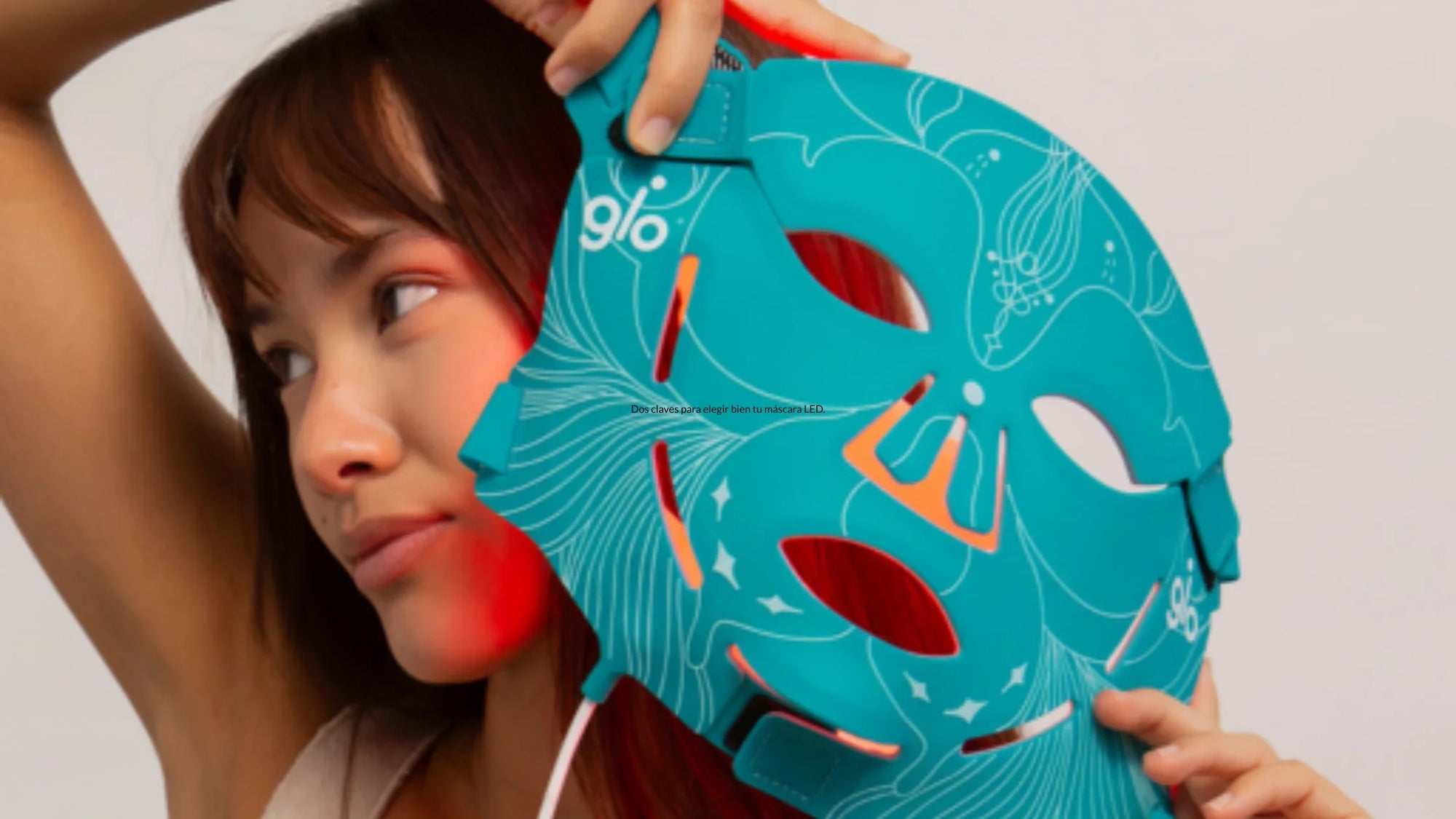
Whether it's enjoying a relaxing massage with Glo910 PRO, improving your skincare routine with Glo Mask, or simply creating fifteen uninterrupted minutes for yourself each day, every small step matters.
Because menopause isn't about losing yourself. It's about discovering a new way to care for yourself—with knowledge, compassion, and confidence.
Scientific References
-
The Menopause Society (formerly North American Menopause Society). Menopause Practice: A Clinician's Guide, 2023.
-
Avis NE, Crawford SL, Greendale G, et al. Study of Women's Health Across the Nation (SWAN). JAMA Internal Medicine.
-
Santoro N, Epperson CN, Mathews SB. Menopausal Symptoms and Their Management. Endocrinology and Metabolism Clinics of North America.
-
NIH – National Institute on Aging. What Is Menopause?
-
Office on Women's Health (U.S. Department of Health & Human Services). Menopause.
-
Mayo Clinic. Menopause: Symptoms and Causes.
-
Cleveland Clinic. Menopause: Overview, Symptoms and Treatments.
-
Shuster LT et al. Premature Menopause or Early Menopause: Long-Term Health Consequences. Climacteric.
-
Brincat M et al. Skin Collagen Changes During the Menopause. Maturitas.
-
Thornton MJ. The Biological Actions of Estrogens on Skin. Experimental Dermatology.
-
American College of Obstetricians and Gynecologists (ACOG). Hormone Therapy for Menopause.
-
International Menopause Society. Global Consensus Statements.
-
Wlaschek M et al. Solar UV Irradiation and Skin Aging. Journal of Photochemistry & Photobiology.
-
Hamblin MR. Photobiomodulation for Tissue Repair and Regeneration. Photochemistry and Photobiology.
-
Hamblin MR. Mechanisms and Applications of Red and Near-Infrared Light Therapy. BBA Clinical.
-
Avci P et al. Low-Level Laser (Light) Therapy in Skin. Seminars in Cutaneous Medicine and Surgery.
-
World Health Organization. Physical Activity Guidelines.
-
American Heart Association. Recommendations for Physical Activity in Adults.
-
Academy of Nutrition and Dietetics. Protein Needs for Healthy Aging.
-
Harvard Medical School. Healthy Aging for Women.